
Advice from Platinum Home Exteriors roofing experts
Winter weather here in southeast Ohio, northern West Virginia, and western Pennsylvania is uniquely harsh compared to the rest of the country. Our area exists in what meteorologists refer to as a climate transition zone. Cold air masses from Canada push down on warm, moist airflows rising from the Gulf of Mexico and the Great Lakes. Roofs in our region experience drastic temperature changes, heavy snow events, freezing rain, and those wicked freeze-thaw cycles that cause the most problems for roofs that haven’t been properly prepared for winter.
At Platinum Home Exteriors, we service roofs throughout Southeast Ohio and the surrounding areas. We have been in business long enough to see what happens to homeowners who neglect fall roof maintenance or fail to address problems their roofs are telling them about. The best part is that most winter roofing issues are preventable here in Ohio. Spending a couple of hours preparing your roof now could mean saving thousands of dollars in avoided damage and stress when January and February storms start to arrive.
Continue below for advice on preparing your roof for winter that every homeowner in our tri-state service area should read.
Why Our Local Weather Takes Such a Toll on Roofs
Our region of the Ohio Valley experiences a humid continental climate. Without getting too scientific, this means that Mother Nature dumps plenty of snow, ice, and water on us each winter in the form of snowstorms and freezing rain. Southeast Ohio and northern West Virginia tend to see the highest snow totals because we are right in the path of lake-effect snow from Lake Erie. The southernmost portions of our service area see slightly lower snow totals but receive more ice storms than northern counties do.
Roofs throughout the tri-state region suffer the most damage not from snow but from freezing and thawing cycles. Temperatures here can reach the 40-degree range during the day, then dip far below freezing at night. When water freezes in tiny cracks in roofing materials, it expands as it changes from liquid to solid. Thermal shock weakens shingles over time. Ice and water find their way under shingles and flashing that should never be penetrated.
Freezing and thawing is also the main reason homeowners see ice dams on their roofs each winter. Heat escaping from the attic melts the snow on your roof, which then refreezes as it flows down and reaches the gutters. The snow closest to the eaves does not melt because there is no longer any heat from the home underneath. Gradually, that freezing and thawing pattern causes a ridge of ice to form at the edge of your roof. Water pools behind the ice dam and then seeps under roofing materials.
Getting Ahead of the Winter Weather – Roof Maintenance Tips
The key to winter roof preparation is spotting trouble areas before the cold weather arrives. Every homeowner should inspect their roof in the fall if possible. While you can see a lot from the ground with a pair of binoculars, climbing up on a ladder for a closer look will tell you more about the condition of your roof. Do this inspection during mild weather so you have time to call a roofing contractor if needed.
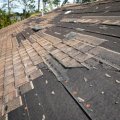
Look closely at your shingles during your inspection. Roofing materials expand when heated and contract when cooled. Years of this thermal cycling cause shingles to curl at the edges or cup in the center. Once curling starts, shingles are much less effective at shedding water, and gaps begin to form where snow and ice can enter.
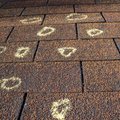
Cracks are another issue with asphalt roofing products. As the name implies, cracks indicate structural weakness. Once moisture gets into a crack and freezes, the problem worsens. If you see cracks covering more than 10% of your roof’s surface area, it’s time to replace your shingles.
Loss of the granules that cover asphalt shingles is easy to miss. However, missing granules means your roofing materials are weaker than they should be. Inspect the shingles that receive the most afternoon sunlight and note areas where the surface coating is missing. Granule loss also shows up in gutters after storms. If you see piles of granules in your gutter after a good rain, inspect your roof.
Roof flashings are a common entry point for ice and water. These metal pieces are located around chimneys, vents, skylights, and other areas where two different roof planes meet. Flashing should always slope downwards away from the roof to encourage water runoff. When flashing fails or pulls away from the roof, it creates gaps that allow water to enter under shingles.
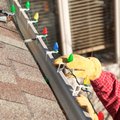
Cleaning your gutters and ensuring proper drainage goes a long way toward winter roof protection. Water loves to hang out in gutter systems, and clogged gutters full of leaves are a major contributor to ice dam formation. Take the time to remove debris from your gutters and downspouts before the snow flies. If you spot problem areas such as sagging gutters, damaged seams, or water stains inside your gutters, now is the time to repair them.
Don’t neglect your downspouts either. They should attach securely to the house and direct water at least 5 feet away from your home’s foundation. You can also take extra precautions, such as installing downspout extensions or splash blocks, to divert water away from your house. Soil can erode quickly around foundation areas when water concentrates in one spot. Foundation damage is expensive to repair, and unchecked water flows can cause flooding in your basement or crawl space.
A great way to avoid gutter issues altogether is by installing gutter guards. These covers don’t prevent ice dams or roof leaks on their own, but they do limit the amount of debris that collects in your gutters each autumn. Platinum Home Exteriors installs gutter protection systems that are designed to handle the heavy leaf drop and pine needles common throughout Ohio.
Ironically, the best way to prevent ice dams is to pay close attention to what’s happening inside your attic. Heat rises, so warm air from inside your home tends to collect in the attic, warming the roof above. If you have poor attic insulation, that heat will melt snow during cold snaps, causing ice dams to form. Most roofing professionals recommend attic insulation with a value of R-38 or higher in our region of Ohio. The higher the R-value, the better your insulation will resist heat transfer.
Ventilation is just as important as insulation in preventing ice dams. Roofs with adequate ventilation allow cold outside air to circulate beneath the roof deck. This helps keep surface temperatures consistent from the ridge of your roof to the eaves. Soffit vents let fresh outdoor air into the attic while ridge vents allow warm air to escape from the top of your roof. Ideally, you want one square foot of ventilation for every 300 square feet of attic space. Half of this ventilation should be intake, and half should be exhaust.
Preparing Your Roof – What to Do
Now that you know what to look for, go out and inspect your roof! If you identify problem areas, take immediate steps to correct them. Waiting until spring to repair damaged shingles gives water more time to penetrate your roofing materials. Replacement is usually cheaper than repair for shingles, flashing, and gutters. Be sure to trim tree branches that hang over your roof. Falling branches during snowstorms can cause serious damage to roofing materials.
Air sealing your attic is another way to protect your roof before winter. Common air leaks around plumbing vents, recessed lights, attic hatches, and electrical penetrations should be sealed with expanding foam, caulk, or weatherstripping. The faster heat escapes into your attic, the more ice dams you will see.
You can install a peel-and-stick waterproof membrane along your roof’s eaves the next time you replace your roof. As ice dams go, think of this material as an ounce of prevention. Also known as ice and water shield, these barriers create a second line of defense against ice and water infiltration. Many northern climates now require this type of membrane to be installed along the eaves by building code, but many homes in our area were built decades ago without it.
Roof rakes are an underrated tool for removing snow after large snow events. Snow accumulation on the roof eaves is the primary ingredient for ice dams. Removing the first few feet of snow on your roof kills ice dams before they start. Use a roof rake from the ground rather than going out on the roof. And never use a pick or shovel to clear the snow off your roof! Tools with sharp edges can damage roofing materials. If you already have ice, call a roofing contractor to steam-melt the ice instead.
Let Us Help You Prepare Your Roof Too
Preparing your roof for winter really isn’t difficult. It does require a little bit of time and attention to detail, but once you know what to look for, most of the work is checking things off a list. If you need help with any part of your roof maintenance this fall, contact Platinum Home Exteriors for professional assistance.
From inspections to shingle repair and replacement to gutter service, we do it all. Don’t wait for winter to discover you need a new roof. Replacing your roof in the fall ensures you won’t have to worry when snow starts flying in November and December. Call today to schedule a FREE estimate and let us take care of preparing your roof for winter!
Platinum Home Exteriors
Providing Services to Ohio, West Virginia, and Pennsylvania
(330) 275-0935
5691 County Rd 201, Millersburg, OH 44654