

Storm Damage Roofing & Insurance Claims in Beaver Falls, PA
Storm damage roofing in Beaver Falls, Pennsylvania carries risks defined by a housing inventory that reflects the city's history as a steel and industrial center built at the turn of the 20th century. Platinum Home Exteriors works with Beaver County homeowners to document damage correctly, navigate insurance claims, and replace failing roofs with a system designed to outlast what follows. Based in Millersburg, Ohio, Platinum serves Western Pennsylvania and brings the same Holmes County Amish crews to every job from inspection through installation.
Beaver Falls grew along the Beaver River as a manufacturing and steel city in the late 1800s, and the housing stock tells that story directly. The median construction year in Beaver Falls is 1938, and more than half of all homes in the city were built before 1940. Another 12 percent went up by 1949, meaning the majority of the owner-occupied inventory carries more than 75 years of weather exposure, roof cycling, and ownership transitions. Median home values run around $92,900 in the city. When hail or high winds move through Beaver County, that combination of deep age, lower values, and long ownership histories creates the pressure point Pennsylvania insurers apply when reviewing claims: pre-existing deterioration attributed as the cause rather than the storm.
Request a FREE Estimate
Granule displacement and mat bruising at hail impact points do not produce visible cracking in the early stages and do not cause an immediate leak. Beaver Falls and Beaver County sit within the NWS Pittsburgh forecast area, and Duquesne Light, whose service territory covers Beaver and Allegheny counties, reported over 240,000 customers without power across those two counties during the April 2025 near-derecho. Duquesne Light called that event unprecedented in the company's history. Over 13,000 Beaver County customers alone lost power in that single storm. A tornado warning was issued for parts of Beaver County in March 2026 during a separate NWS Pittsburgh severe weather event. A home that absorbs shingle damage in one of those systems and goes uninspected can sustain compounding moisture intrusion through several subsequent rain cycles before any interior evidence appears.
We Offer Financing Call Us For Details
Emergency Roof Inspection After a Storm — Call (330) 275-0935
After a major storm in Beaver County, the documentation window closes faster than most homeowners expect. Hail damage works silently beneath the granule surface, softening the mat and opening micro-fractures that absorb water with each subsequent rain. No visible leak appears until the damage has progressed well past the point where a single-storm cause is easy to establish. Tying specific damage to a specific weather event requires a timely, written inspection report with photographs taken while the evidence is fresh and the storm date is recent enough to cross-reference against NWS Pittsburgh records for Beaver County.
Platinum's storm inspection covers the full roof surface, all flashing transitions, ridge and valley systems, gutters, downspouts, and any collateral damage on exterior materials. Each finding goes into a written report with photographs formatted for insurance submission. When the adjuster schedules a site visit, Platinum's crew attends that walk. Having the contractor who documented the damage present during the adjuster walk removes the source of disputed claims that surfaces most often: differing interpretations of scope between a written report submitted in advance and what the adjuster observes independently on the day.
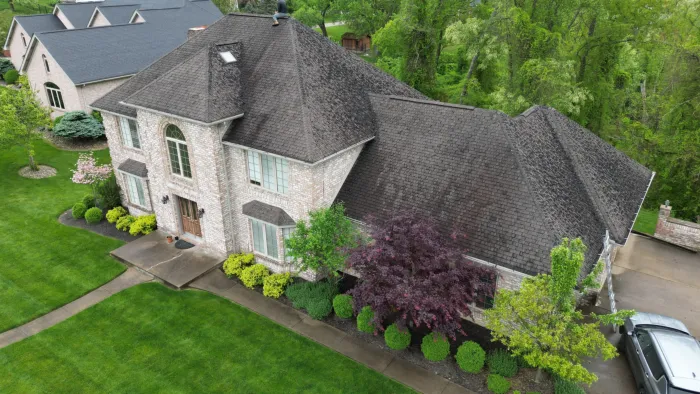
Wind damage indicators: From the ground, look for missing or displaced shingles, lifted ridge caps, and debris from soffit, fascia, or trim components along the roofline. On Beaver Falls' boom-era housing stock, lifted or separated flashing around chimney bases and dormers is a common wind-damage signature that only surfaces as an interior water stain after the next significant rain.
Hail damage indicators: Shingle bruising will not be apparent from street level in most cases. Check aluminum gutters, downspout elbows, exterior AC condenser fins, and window trim above grade for round impact dents. Those materials register hail at the same size thresholds that damage shingles, and they hold the physical evidence clearly without requiring anyone on the roof.
Water intrusion indicators: In the attic, look for staining on sheathing or rafters, soft spots in the deck, and any daylight visible through the decking. On interior ceilings, water marks and soft drywall directly below a roof surface or flashing transition are early signs that an uninspected compromise is already active.
How Pennsylvania Homeowners Insurance Covers Roof Storm Damage
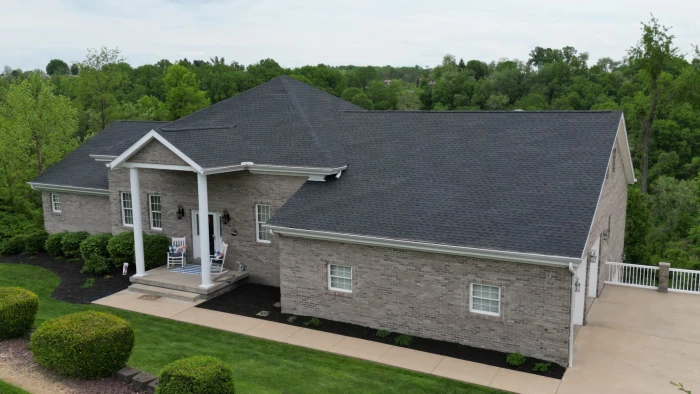
Standard HO-3 homeowners policies covering Beaver Falls properties include protection for sudden and accidental losses caused by wind, hail, falling trees and limbs, and water that enters the home through a storm-created opening. What those same policies exclude is damage attributed to age, wear, gradual deterioration, or maintenance that was deferred before the storm occurred. In Beaver County, where more than half of Beaver Falls' housing stock predates 1940 and homes carry deep ownership histories, the line between storm damage and pre-existing condition is the pressure point Pennsylvania insurers apply when reviewing claims.
ACV vs. RCV: What Your Policy Actually Pays
A Replacement Cost Value policy entitles you to the full cost of replacing the damaged system with comparable materials. Standard residential replacement costs in the Beaver Falls market run approximately $11,000 to $14,000, depending on square footage, pitch, and the complexity of flashing transitions on older construction. RCV policies release that payment in two stages. The first check covers the Actual Cash Value, the depreciated replacement cost minus your deductible. On a Beaver County roof with 20-plus years of service life, that first check might be $3,500 to $5,000 after a typical deductible of $1,500 to $2,500. Once the work is completed and documented, you submit the final invoice and receive the holdback, the remaining balance up to the full replacement cost.
Carriers have increasingly converted older roofs from RCV to ACV coverage at renewal, without prominent notification in the renewal paperwork. ACV policies do not release a second check. The depreciated payout is the full settlement. If the roof on your Beaver Falls home predates 1985 and you have not reviewed your policy recently, confirming the coverage basis before the next storm season is a practical step.
What Pennsylvania Insurers Are Likely to Deny
Roofs over 20 years old draw heightened scrutiny regardless of how severe the triggering event was. Pennsylvania insurers reviewing Beaver County claims on pre-war and early postwar housing stock will look for evidence of prior unrepaired damage, deferred maintenance, and gradual wear they can attribute as contributing causes. A documented inspection report addresses each of those pressure points. It establishes the pre-storm condition of the surface, identifies damage that is clearly impact-related rather than wear-related, and gives the adjuster a factual basis for separating the storm loss from background deterioration. Without that documentation, the insurer's interpretation is the only one on the table.
The Platinum Storm Damage Claim Process
Emergency Inspection
Step 1: Emergency Inspection. Contact Platinum at (330) 275-0935 as soon as conditions allow a safe assessment. A crew travels to your Beaver Falls property, inspects the full roof surface and all associated components, and produces a written report with photographs documenting every area of storm-related damage. That report is formatted for direct submission to your carrier.
File Your Claim
Step 2: File Your Claim. Using Platinum's inspection report and photographs, you file a claim with your homeowners insurance carrier. The report provides the documentation your carrier needs to open the claim and schedule an adjuster visit. Filing promptly while the storm date is recent and NWS Pittsburgh records for Beaver County are current strengthens the connection between the damage and the event.
Review the Scope of Work
Step 3: Adjuster Walk, Platinum Is There. Platinum coordinates with your schedule to attend the adjuster's on-site inspection. Having the contractor who documented the damage present during the adjuster walk means the scope discussion happens in real time, with the actual roof surface visible, rather than after the fact through competing written interpretations. Discrepancies in scope are identified and addressed before the adjuster leaves the property.
Review the Scope of Work
Step 4: Review the Scope of Work. Once the insurer issues the approved scope of loss, Platinum reviews it against the original inspection findings. If the approved scope omits documented damage or underestimates the materials required for a code-compliant installation, Platinum initiates a supplement before any work begins. Supplements are a standard part of the claims process and exist to ensure the approved scope reflects actual field conditions on your Beaver Falls property.
Deductible and Start of Work
Step 5: Deductible and Start of Work. Your deductible is your out-of-pocket contribution to the replacement. Platinum does not waive, cover, or inflate around deductibles, as doing so constitutes insurance fraud under Pennsylvania law. Once the scope is confirmed and your deductible is collected, the Holmes County crew schedules your installation. All measurements are taken in person at your home, with no satellite estimates used for material ordering or flashing fabrication.
Emergency Inspection
Step 6: Final Documentation and Second Check. On RCV policies, the insurer withholds the depreciation balance until work is completed. Platinum provides a final invoice and completion documentation, which you submit to your carrier to release the holdback check. Platinum walks through the completed installation with you and confirms that all warranty documentation, including the Industry Leading Craftsmanship Warranty on labor and the manufacturer material warranty on the standing seam system, is properly registered in your name.
Why Metal Roofing Is the Right Answer After a Storm Claim in Beaver Falls
A storm damage claim creates a decision point that does not come around often for most homeowners. The deductible is already committed, the insurer has approved a replacement, and the only remaining question is whether to replace the damaged system with the same material or invest the difference between what insurance covers and the cost of a standing seam upgrade. On a Beaver County home built during the industrial boom era of the early 1900s, that incremental cost difference buys a roof with engineering advantages matched to the specific weather conditions the Pittsburgh area faces, one that will not require replacement again within most owners' expected occupancy.
Class 4 Hail Certification and Pennsylvania Insurance Premiums
Class 4 UL 2218 is the highest impact resistance rating available for residential roofing. The standard test drops two-inch steel balls from 20 feet onto a roofing surface to simulate large hail impact. Standing seam steel systems carrying that certification do not crack, fracture, or lose protective coating at impact points the way asphalt shingles do. Pennsylvania homeowners absorbed a 44% premium increase over the three years from 2021 to 2024, fourth-highest in the country, and the Pennsylvania Insurance Department has specifically advised homeowners to replace aging roofs with storm-resistant materials as a tool for managing future premium exposure. Installing a standing seam roof after a Beaver Falls storm claim locks in the Class 4 discount across 40 to 60 years of service life under Western Pennsylvania conditions, while an asphalt replacement will require another full cycle in 20 to 25 years, resetting both the capital outlay and the discount clock.
Concealed Fasteners and Wind Uplift
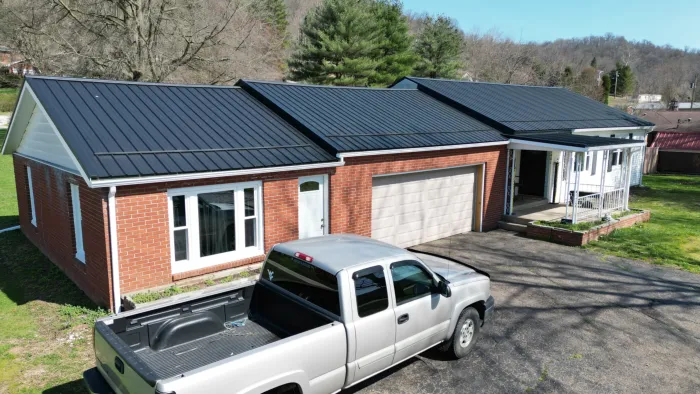
Behind most wind claims on asphalt roofing is exposed fastener back-out. As the substrate expands and contracts through Western Pennsylvania temperature swings, the fasteners holding shingle tabs and ridge caps in place work loose over seasons of thermal movement. When a high-wind event hits a roof with partially backed-out fasteners, the uplift force concentrates at those points and the tabs lift or strip. Duquesne Light, which serves Beaver County directly, described the April 2025 near-derecho as unprecedented in the company's history, with over 13,000 Beaver County customers losing power in a single event. Platinum's standing seam panels use concealed floating clips with no exposed fasteners on the panel face. Those clips allow the steel panels to expand and contract freely through the full temperature range, and the uplift load from high-wind events distributes across the full clip engagement rather than concentrating at fixed penetration points.
One Roof, Not Three
A Beaver Falls homeowner who replaces a damaged asphalt roof with asphalt today will face another full replacement in 20 to 25 years under Western Pennsylvania conditions, and likely a third within a 60-year ownership horizon. Each cycle carries the full cost of materials, labor, waste removal, and the disruption of a major exterior project. A standing seam steel roof installed to Platinum's specification carries a 40- to 60-year service life expectancy, a manufacturer material warranty of up to 50 years, and the Industry Leading Craftsmanship Warranty on all labor and workmanship. Installing at claim time means one mobilization, one disruption, and the upgrade cost as the only additional variable.
What Our Customers Say
EXCELLENTTrustindex verifies that the original source of the review is Google. Steve and his guys were fantastic!! The job was done in a timely manner and the site was kept clean and free of debris. They are very professional and very easy to work with!!Posted onTrustindex verifies that the original source of the review is Google. Very satisfied with Platinum Exteriors work. Was quick and good prices. Highly recommend.Posted onTrustindex verifies that the original source of the review is Google. What a GREAT COMPANY...DID A GREAt job...workers are great,,,not a thing left behind...Posted onTrustindex verifies that the original source of the review is Google. Platinum Home Exteriors was very easy to work with. I made phone calls to 4 other contractors and Steven was the only one to return my call. He thoroughly explained our options. He was very polite and professional. His crew completed the job in one day. They did an excellent job. You can’t go wrong with Platinum!Posted onTrustindex verifies that the original source of the review is Google. Steve Yoder and his crew did a fantastic job of installing our new roof. Their price quote was 25% lower than my other bids and the work was absolutely stellar. They arrived on time , covered the shrubs, moved the outdoor furniture, and planters. When the job was done ,which took them 3 hours and 45 minutes , they returned all the plants and furniture to their place and even ran a magnet over the yard and driveway to make sure all the nails were picked up Cannot say enough good things about this crew. Great people and great job at a very fair price. Highly RecommendPosted onTrustindex verifies that the original source of the review is Google. Steve and his crew are probably the best you can find for roofing very professional and they get the job done asap l couldn’t have found anyone betterPosted onTrustindex verifies that the original source of the review is Google. Steve was very nice young man. Very polite and easy to talk with. Was very willing to help and figure out best way to accomplish the task. Very effeicient and quick to get the work completed. If any issues arise he will work with you to fixed the problem. His work was excellent and it was excatly what I was wanting. I will call him in the future for any other projects I will need to have done,Posted onTrustindex verifies that the original source of the review is Google. So great to work with. Beautiful craftsmanship, clean worksite, solid communications. Really appreciate their care & attitude to timely completion of wonderful new roof & guttersPosted onTrustindex verifies that the original source of the review is Google. Platinum Home Exteriors is awesome. Showed up early and finished our large roof in 8 hours! Cleaned up everything like they were never here, in addition they have very competitive pricing. Steve Yoder is a great guy to deal with.Posted onTrustindex verifies that the original source of the review is Google. These guys arrived at 6:30am and had my new roof on and headed home at 4:00pm. They did a wonderful job and cleaned up all the trash and took it with them. They’re hard workers and don’t waste time getting the job done. I love my new roof and it’s made a big difference in heating and cooling my house along with reducing outside noise. I give this company a 5 out of 5 and recommend them to anyone who is looking to replace their existing roof.
The Storm Chaser Problem in Beaver County
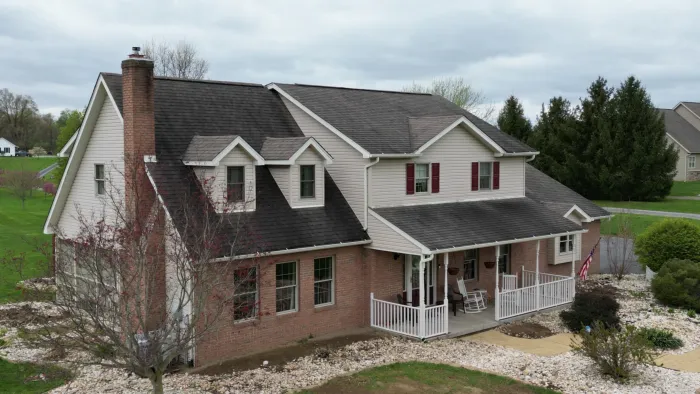
After any significant storm event, Beaver Falls and the surrounding Beaver County communities see an influx of out-of-state contractors and storm-chasing operations that follow damage through Western Pennsylvania. A team arrives within days, canvasses neighborhoods door to door, offers rapid free inspections, and pressures homeowners to sign contracts before they have time to research the company or consult a neighbor. Those salespeople are trained for this kind of solicitation and are typically not the people who will perform any installation. Actual roofing work, when it does happen, is frequently subcontracted to crews with no connection to the sales operation and no ongoing presence in Beaver County. Installation failures on flashing transitions, valley systems, and penetrations around chimneys may not surface until the first full heating and cooling cycle has passed, at which point the contracting operation may have reorganized, relocated, or become entirely unreachable.
The Pennsylvania Insurance Fraud Prevention Authority has documented cases in Western Pennsylvania where storm-chasing operations created artificial damage to roofs prior to insurance adjuster visits, filed inflated claims, defrauded carriers of millions of dollars, and left homeowners with mechanics' liens when subcontractors went unpaid. Pennsylvania's Attorney General has filed consumer protection lawsuits against contractors across the Pittsburgh metro area who collected substantial deposits and abandoned projects entirely. Under Pennsylvania's Home Improvement Consumer Protection Act, contractors are required to register with the state before soliciting work, but out-of-state operations routinely ignore that requirement. Platinum Home Exteriors operates from Millersburg, Ohio, year-round. Holmes County Amish crews who inspect and install for Beaver Falls homeowners are the same people on every job, with no subcontracting, no rotating labor pool, and no storm-following business model. Backing every Platinum installation is the Industry Leading Craftsmanship Warranty on labor and workmanship, issued by a company with a fixed address and standing accountability, not a seasonal operation that will not answer the phone a year from now.
Request a Free Estimate
Beaver Falls Frequently Asked Roofing Questions
Q:Will my homeowners insurance cover storm roof damage in Beaver Falls?
Q:What is ACV versus RCV, and how does the payout process actually work?
Q:How long does a Beaver Falls homeowner have to file a storm damage claim?
Q:Does standing seam metal roofing reduce homeowners insurance premiums in Pennsylvania?
Q:How can I tell if my Beaver Falls roof has hail damage without getting on the roof?
Q:How do I avoid being taken advantage of by a storm chaser after a weather event?
Schedule an Emergency Roof Inspection in Beaver Falls, PA
Hail damage to asphalt shingles compounds silently with each rain cycle. Granule loss accelerates, the mat softens, and moisture penetration begins well before any visible leak appears on an interior ceiling. Waiting until damage becomes visible from inside the home means the claim has already become harder to defend. Establishing a dated, storm-specific inspection record now, while the event date is recent and NWS Pittsburgh records for Beaver County are current, gives you the foundation to stand on when the adjuster arrives.
Platinum Home Exteriors serves Beaver Falls and the surrounding Beaver County area, including New Brighton, Ambridge, Aliquippa, Ellwood City, New Castle, and Pittsburgh. Inspections are free, the written report is formatted for insurance submission, and the crew attends the adjuster walk. Call (330) 275-0935 to schedule. Additional information on services for the Beaver Falls area is available at See our Beaver Falls, PA Page., and a full overview of Platinum's Ohio Valley service area can be found at See our Pennsylvania page..