
We have had this conversation more times than we would like.
A homeowner calls after a summer storm. The metal roof we put on a few years back is dimpled across the whole west slope. They file a claim. An adjuster comes out, agrees the dents are hail, and denies the roof anyway. Not because the damage isn't there. Because the policy has a cosmetic damage exclusion on it, and nobody explained that when they bought the coverage.
If you own a metal roof anywhere in the hail corridor running through Holmes, Wayne, and Tuscarawas Counties, this is worth twenty minutes before the next storm instead of after.
What the exclusion says
Most carriers now offer, and a lot of them quietly apply, an endorsement that goes by some version of "cosmetic damage exclusion" or "metal roof surfacing endorsement." The wording moves around. The logic doesn't.
If hail changes how your roof looks without changing its ability to keep water out, the insurer doesn't have to pay for it.
Dents in a standing seam panel are the textbook version. The panel is bruised. The seam still locks. The coating is unbroken. Water runs off the same way it did last week. Under that endorsement, the carrier's position is that you lost some looks, and looks aren't covered.
This isn't a scam and it isn't buried in fine print. It's usually right there on the declarations page, and it usually came with a lower premium attached. That's the trade a lot of people made without noticing they were making it.
Where it gets complicated
The clean cases are easy. Most of the arguments happen in the messy ones.
Coating damage is the big one. A dent that also fractures the paint system or the galvanized layer underneath isn't cosmetic, because that's where corrosion starts, and corrosion is functional by anybody's definition. This is the most productive thing to look for after a metal roof gets hit, and it's the thing a fast walk-through misses.
Fasteners and seams matter too. On exposed-fastener panels, hail that lands square on a screw head can deform the washer or drive the fastener past its seat. That's a leak path, not a blemish.
Then there's everything that isn't the roof surface. The exclusion is typically written for the panels only, so dented gutters, crushed ridge vents, torn pipe boots and beat-up drip edge often stay covered even when the panels don't. We have watched claims where the roof got denied and the accessories got approved, and the homeowner had no idea to ask about the second half.
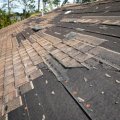
Shingles are a different animal entirely. A cosmetic exclusion is overwhelmingly a metal-roof product. If you have asphalt shingles and an adjuster starts calling hail bruising cosmetic, push back on that. On a shingle roof, a bruise that knocks the granules loose and softens the mat is functional damage by any reasonable reading, because the granules are the sun protection. Once they're gone the asphalt starts aging fast.
What an adjuster is doing up there
Adjusters aren't guessing. They follow a fairly consistent method, and knowing it helps the outcome make sense.
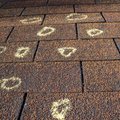
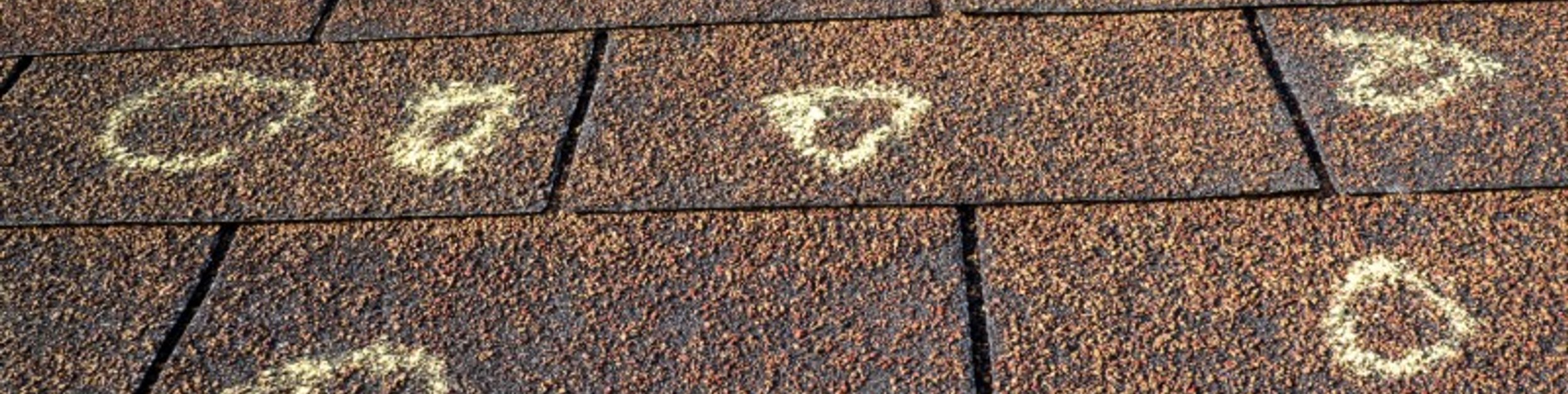
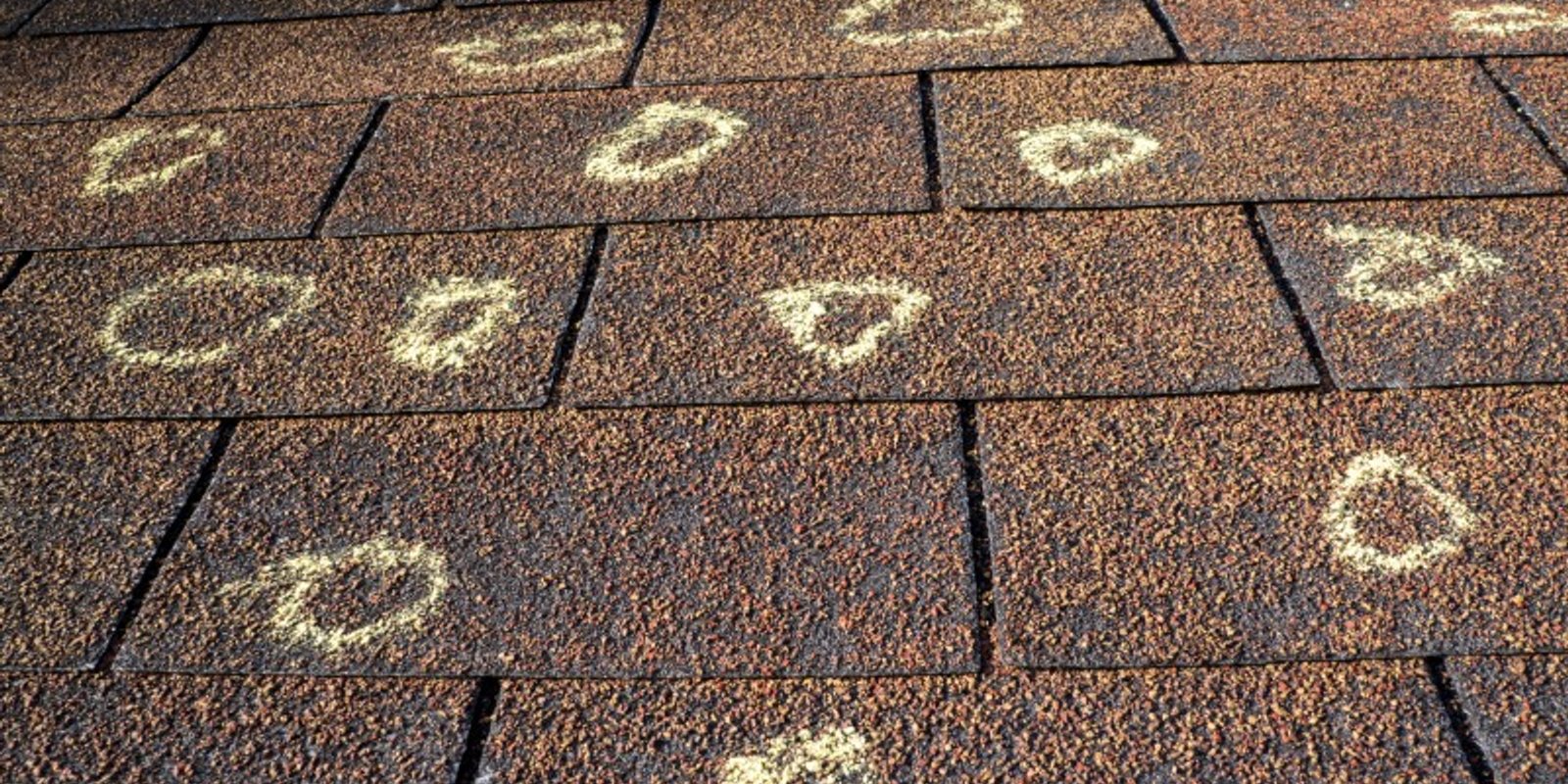
They chalk out a test square, usually ten by ten, on each slope and count hail strikes inside it. There's a threshold, and it varies by carrier, above which the slope gets called damaged enough to replace rather than repair. They check every elevation, because hail comes in at an angle and a storm that wrecked your west slope may not have touched the east one. And they look at soft metals, meaning gutters, downspouts, furnace vents, the aluminum on your grill, because those dent easily and confirm hail of a given size actually fell on your property.
They're also sorting hail from everything that resembles it. Foot traffic, falling limbs, manufacturing defects and ordinary age all leave marks a homeowner might read as hail. An adjuster who reclassifies something as wear and tear isn't necessarily being difficult. Sometimes they're right.
Before you file
Read your declarations page for the word "cosmetic." Do that today, not after a storm. If the endorsement is on there, at least you know what your roof is covered for, and you can decide whether the extra premium to remove it is worth paying.
Check your deductible while you're in there. A lot of policies around here have moved to a percentage-based wind and hail deductible instead of a flat dollar figure. Two percent on a $400,000 home is $8,000 out of pocket before the carrier pays anything, and that number changes whether filing makes sense at all.
Write down the date of the storm. Carriers care a great deal about which event caused the damage, and most policies have a filing window. If your county had a reported hail event that day, it's public record, and it helps your case.
And get somebody to look at it before you call it in. We'll come out and tell you honestly whether you've got a claim. If the answer is that it's cosmetic under your policy and you'd be filing something you can't win, we would rather say so than watch you put a claim on your record for nothing.
The part we feel strongly about
After a big hail event this region fills up with out-of-state crews knocking doors and promising to get your roof covered. Some are fine. Some will exaggerate damage on a claim form, which is fraud that lands on you rather than them, because your name is the one on the policy. And a fair number will be three states away by the time a workmanship problem shows up.
We live here. The shop is on County Road 201 outside Millersburg and we'll still be here in ten years when somebody has a question about a roof we put on.
If a storm came through and you want a straight answer about what you're looking at, give us a call, or read up on how we handle storm damage and roof repair. No pressure and no claim we talk you into.